Product Description
N,N-Dimethylbenzylamine (DMBA) is an important organic amine compound with a unique chemical structure and properties, making it widely used in industrial production. The following is a brief introduction to its structure, properties, preparation, and applications:
I. Basic Structure and Identification
Chemical Formula: C6H5CH2N(CH3)2
CAS Number: 103-83-3
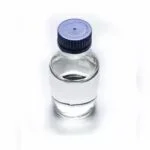
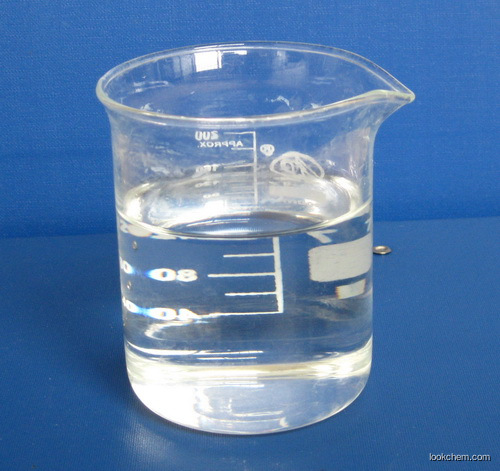
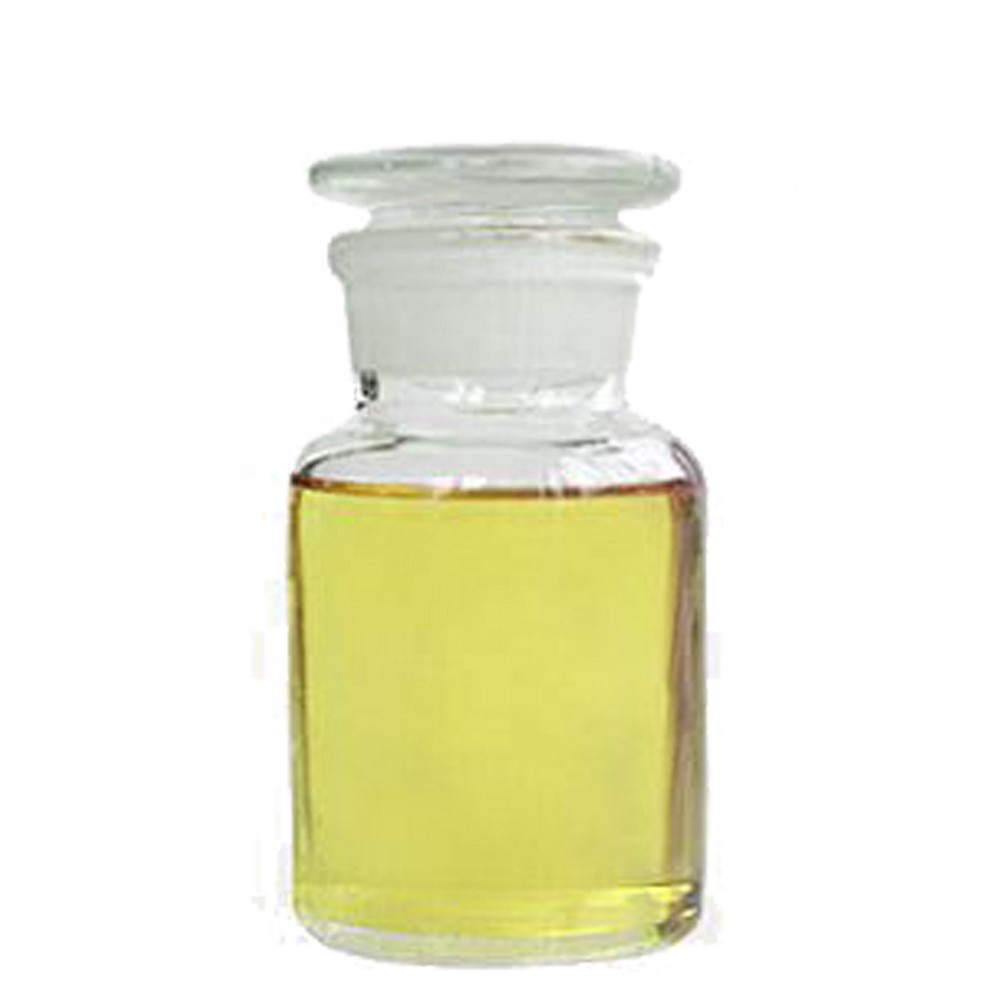
Appearance: A colorless to pale yellow, transparent liquid at room temperature with a faint, pungent amine odor.
II. Main Physical and Chemical Properties
Physical Properties:
Boiling point approximately 184-186°C, relative density 0.89-0.90 (20°C), refractive index 1.501-1.503 (20°C).
Soluble in organic solvents such as ethanol, ether, and benzene, and slightly soluble in water. Chemical Properties:
It is a Tertiary amine compound with strong alkalinity, reacting with acids to form salts (such as hydrochloride).
The benzyl and dimethylamino groups in the molecule are somewhat reactive and can participate in reactions such as nucleophilic substitution and condensation.
It is somewhat corrosive and irritating, and can irritate the skin, eyes, and respiratory tract. Direct contact should be avoided.
IV. Main Applications
Catalyst and Accelerator:
It is a key tertiary amine catalyst in the production of polyurethane foam. It promotes the foaming and gelling reactions of isocyanates and polyols, regulating the foam curing speed and structure. It is widely used in soft and rigid polyurethane foams and elastomers.
As an epoxy resin curing accelerator, it accelerates the reaction between epoxy resin and curing agents (such as anhydrides and amines), shortening curing time and improving production efficiency. It is used in coatings, adhesives, composite materials, and other fields.
Organic Synthesis Intermediate:
It is used in the synthesis of pesticide intermediates, such as the preparation of active ingredients for antibacterial drugs or insecticides through quaternization.
Surfactants and Additives:
Quaternization reactions can produce cationic surfactants used in antimicrobial agents, emulsifiers, antistatic agents, and other products.
In the coatings and ink industries, it serves as an additive to improve product leveling, adhesion, and stability.
Other Applications:
In the rubber industry, it serves as an intermediate for vulcanization accelerators, regulating the rubber vulcanization process.
In metal processing, it serves as a corrosion inhibitor to reduce metal corrosion.