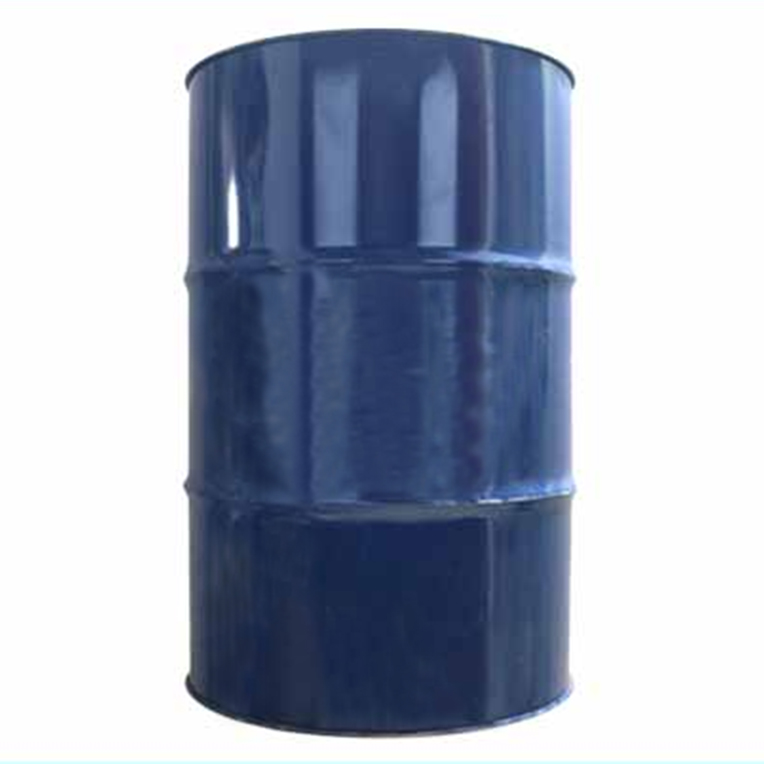
Product Introduction: N,N-Dimethylacetoacetamide (CAS 2044-64-6)
N,N-Dimethylacetoacetamide is a chemical compound belonging to the class of amides. It is widely recognized and utilized as a versatile organic intermediate or building block in various chemical syntheses, particularly for the preparation of sulfur-containing compounds like thioamides
Basic Information
- Chemical Name: N,N-Dimethylacetoacetamide
- CAS Registry Number: 2044-64-61
- EINECS Number: 218-059-81
- Molecular Weight: 129.16 g/mol1
Physical and Chemical Properties
Here is a summary of the key physical properties:
| Property | Value / Description |
|---|---|
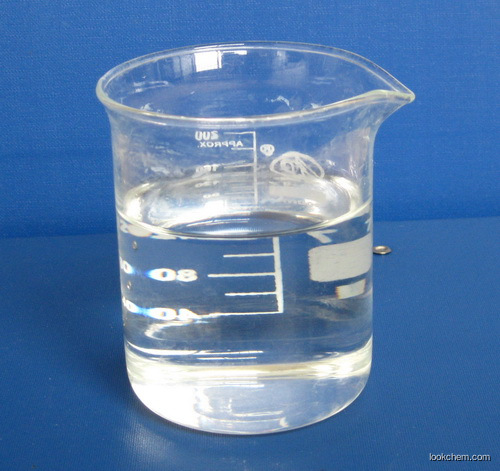
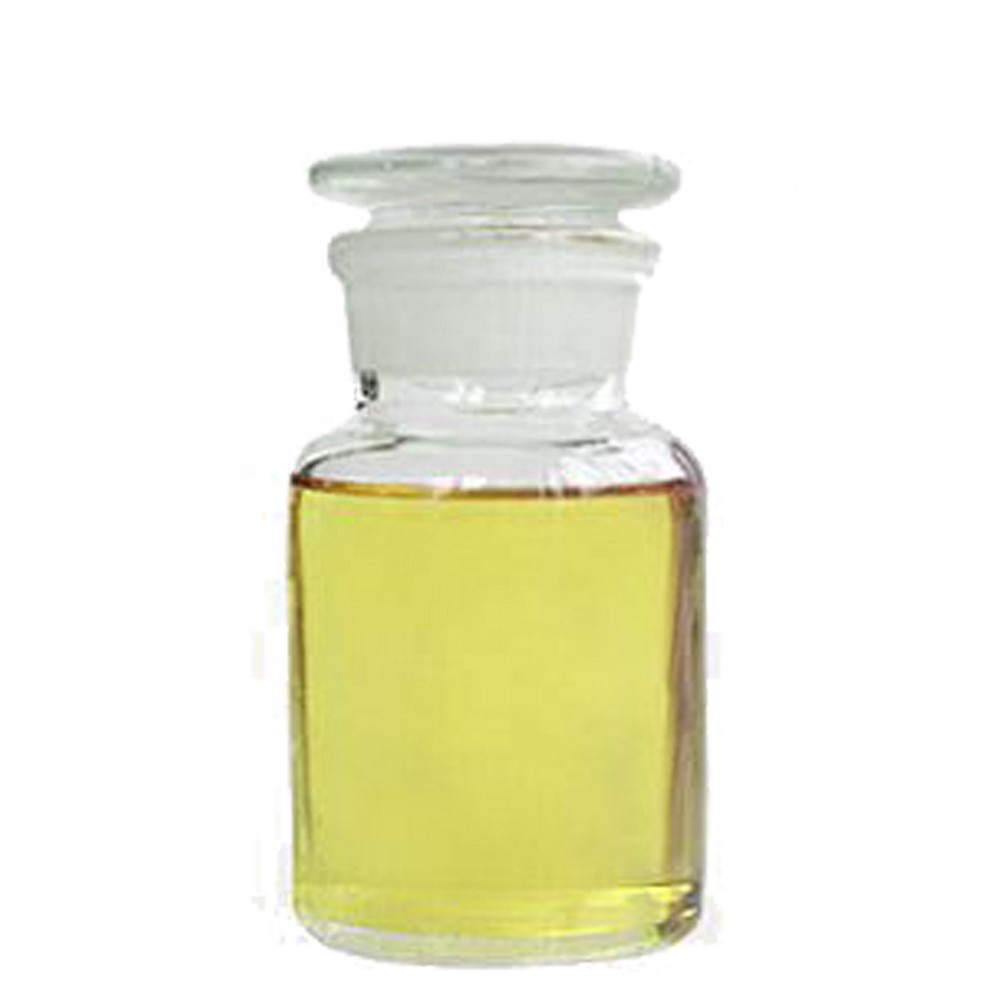
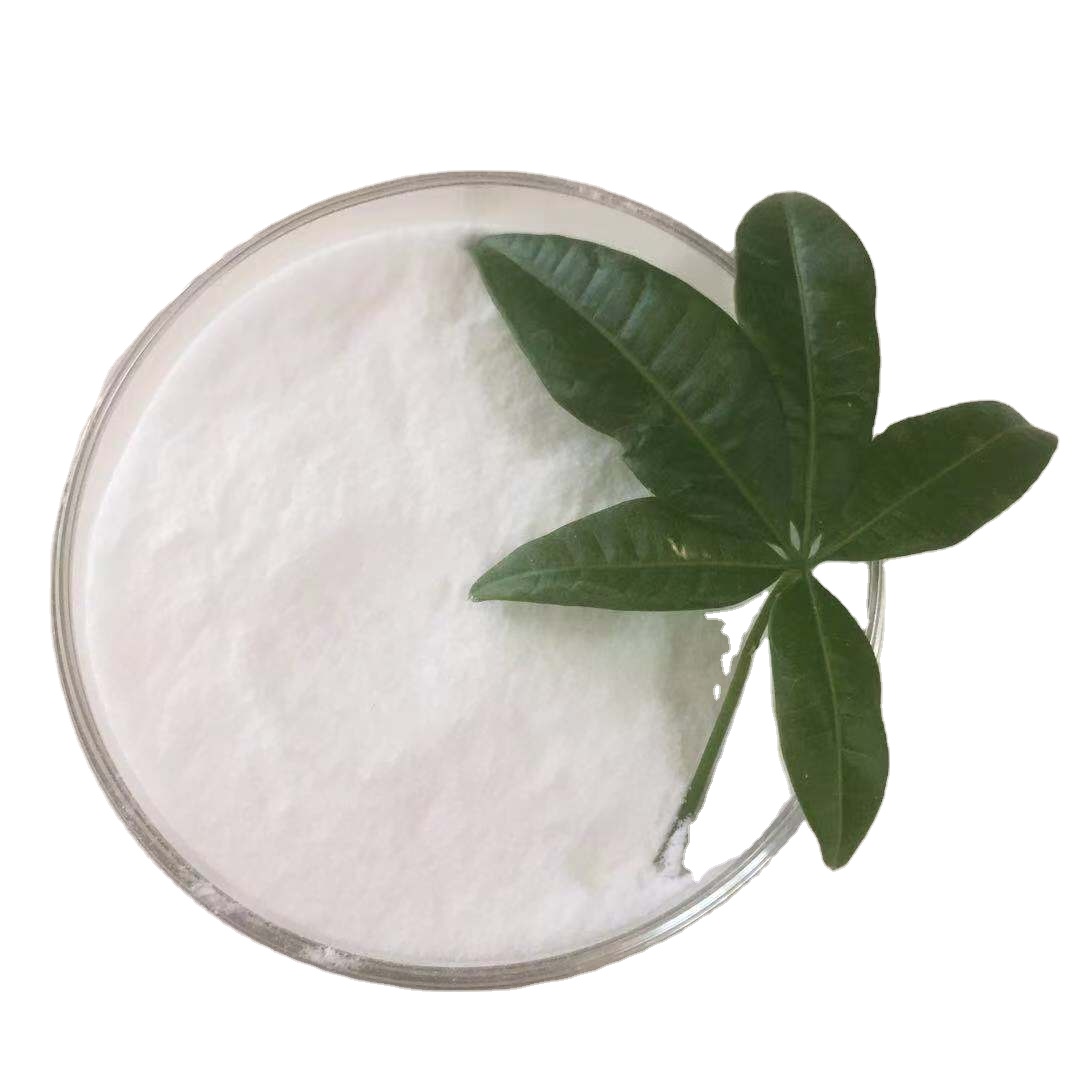
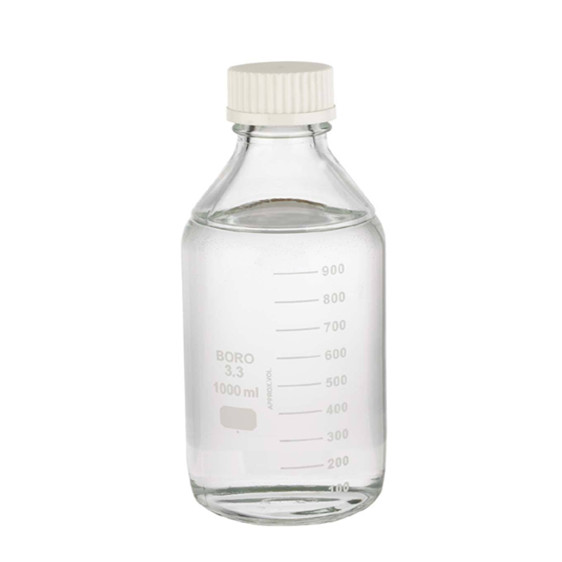
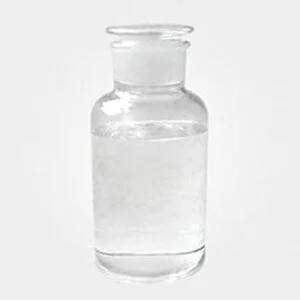
| Appearance | Colorless to light orange or yellow clear liquid |
| Density | 1.067 g/mL at 25 °C; 1.060 g/mL at 20 °C |
| Boiling Point | ~105 °C (lit.); also listed as 220 °C |
| Melting Point | -55 °C |
| Refractive Index (n20/D) | 1.44725; also listed as 1.47 |
| Flash Point | 252 °F (123 °C) |
| Solubility in Water | Soluble (hydrolyzes slowly). Also soluble in common organic solvents (e.g., DMF, |
| pKa (Predicted) | 12.82 ± 0.46 |
| LogP | 0.91 at 25°C |
Applications
The primary application of N,N-Dimethylacetoacetamide is as a chemical reagent and organic synthetic intermediate
- Thioamide Synthesis: It is notably used for the preparation of thioamide derivatives. Thioamides are important sulfur-based compounds with broad applications in:
- Pharmaceuticals: Used as intermediates in drug synthesis.
- Agrochemicals: Used in the production of pesticides.
- Industrial Chemistry: Employed as stabilizers, inhibitors, catalysts, vulcanizing agents, and flotation collectors
- Example Synthesis: The search results provide an example where it is reacted with phenyl isothiocyanat and potassium carbonate in ethanol to yield 3-Anilino-N,N-dimethyl-3-oxothiopropionamide with a reported yield of 88.6%
Basic Information
- Product Name: N,N-Dimethylacetoacetamide
- Alias: DMAA; Acetoacetic acid dimethylamide; 2,4-Dioxo-N,N-dimethylbutanamide
- Chemical Formula: C6H11NO2
- Molar Mass: 129.16 g/mol
- CAS Number: 2044-64-6
Physical Properties
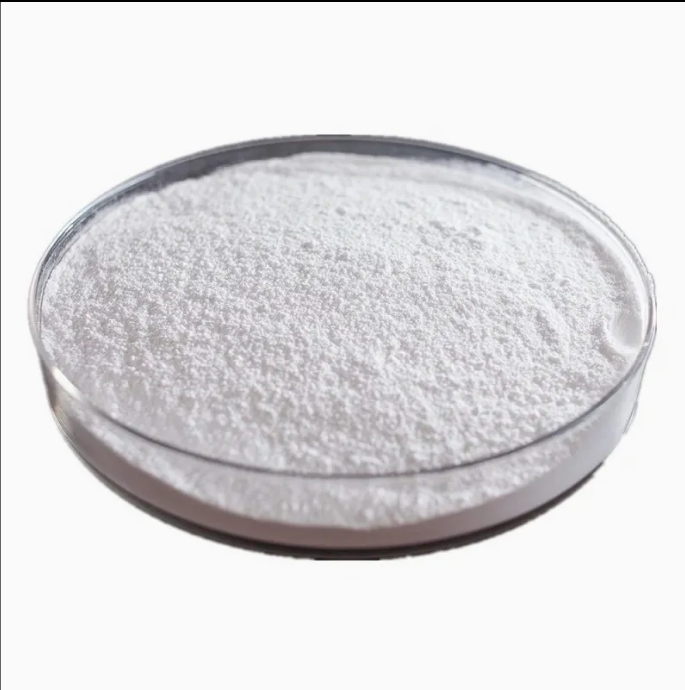
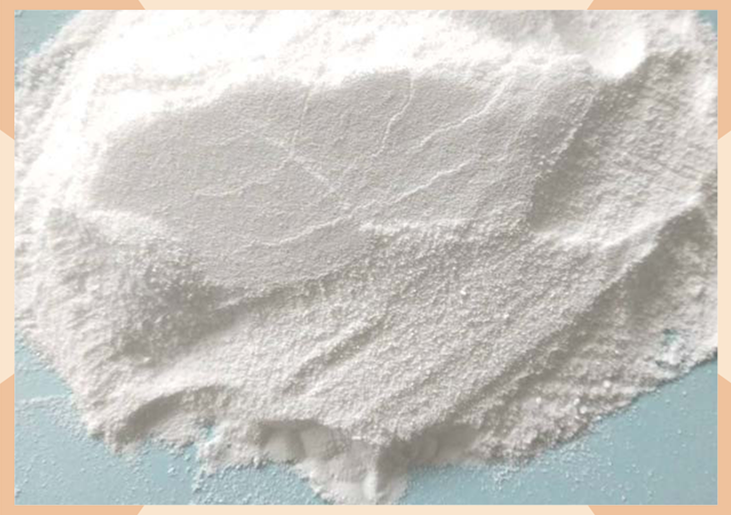
- Appearance: Colorless to pale yellow transparent liquid or crystalline solid (at lower temperatures), with no strong pungent odor.
- Melting Point: 21-23°C (store as a liquid to avoid crystallization).
- Boiling Point: 214-216°C (decomposes upon heating under atmospheric pressure).
- Density: 1.04 g/cm³ (25°C).
- Solubility: Highly soluble in water, ethanol, acetone, chloroform, and other polar solvents; miscible with most organic solvents.
- Refractive Index: n20D 1.452
Applications
- Pharmaceutical Intermediates:
- Synthesis of anti-inflammatory drugs (e.g., pyrazolone derivatives like metamizole);
- Preparation of antibiotics (e.g., cephalosporin side chains);
- Key intermediate for antimalarial agents (e.g., chloroquine analogs).
- Agrochemicals:
- Used in synthesizing herbicides, fungicides, and insecticides (e.g., pyrazole-based pesticides).
- Polymer Chemistry:
- As a crosslinking agent or modifier for polymers (e.g., polyurethanes, polyesters);
- Precursor for functional polymers with β-dicarbonyl groups.
- Organic Synthesis:
- Building block for heterocycles (e.g., pyridines, pyrimidines) via cyclization reactions;
- Used in the synthesis of dyes, pigments, and photographic chemicals.
Safety and Storage
Hazards
- Health Risks:
- Skin/Eye Contact: May cause irritation, redness, and pain; prolonged exposure may lead to burns.
- Inhalation/Ingestion: Harmful if inhaled or swallowed; may cause respiratory irritation, nausea, or vomiting.
- Toxicity: LD50 (rat, oral) ≈ 1500 mg/kg (moderate toxicity).
- Environmental Risks:
- Persistent in water; may be toxic to aquatic organisms.
- Avoid release into soil or water systems.
- Fire and Explosion:
- Combustible liquid; flash point ≈ 96°C.
- Keep away from open flames and heat sources.
Safety Measures
- Protection:
- Wear chemical-resistant gloves, safety goggles, and protective clothing.
- Use in a well-ventilated area or fume hood to prevent vapor inhalation.
- Storage:
- Store in a tightly sealed container in a cool, dry place.
- Keep away from strong acids, bases, and oxidizing agents.
- Emergency Handling:
- For spills, absorb with inert material (e.g., sand) and dispose of properly.
- In case of fire, use dry chemical, CO2, or foam extinguishers.
Derivatives and Analogues
- Common Derivatives:
- N,N-Dimethyl-3-oxobutanethioamide: Sulfur analog for preparing thiazole derivatives.
- N,N-Dimethyl-3-oxopentanamide: Homologue with an additional methyl group (C7H13NO2).
- Comparison with Related Compounds:
| Compound | Structural Difference | Key Distinctions |
| N,N-Dimethylacetoacetamide | β-Dicarbonyl with dimethylamide | High reactivity due to active methylene |
| Ethyl acetoacetate | -COOEt instead of -CON(CH3)2 | Lower boiling point (181°C), used in similar reactions |
| Acetoacetamide | -CONH2 instead of -CON(CH3)2 | Higher melting point (54°C), more polar |


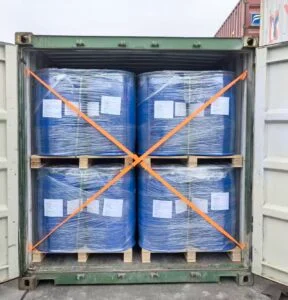
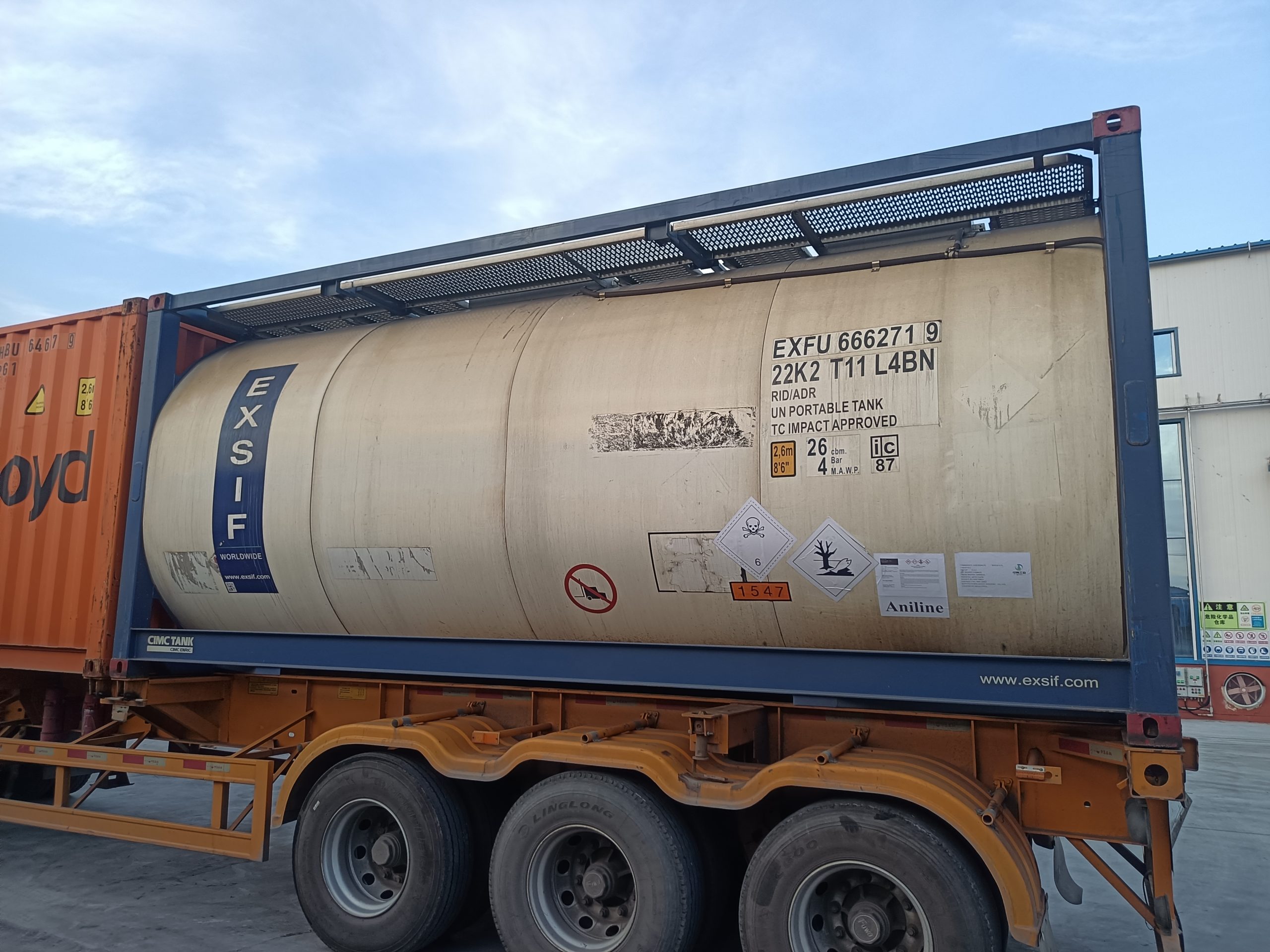
| Liquid products | Drum of 5kg ,10 kg ,25 kg ,50 kg 200 kg ,250 kg . 1000 kg IBC drum. TANK with 20 tons ,25 tons . |
| Solid products | Bag of 1 kg ,2 kg ,5 kg ,25 kg ,500kg ,1000 kg . Drum of 25 kg and 50 kg. |
Packaging can be customized according to customer requirements.


| EAST-IVY CHEMICAL co.,ltd
|
|
| 111-40-0 | N,N-Diethylenetriamine |
| 53369-71-4 | N,N,2,2-Tetramethyl-1,3-propanediamine |
| 1803584-06-6 | N,N-Dimethyl-3-(piperidin-3-yl)-1H-pyrazole-4-carboxamide dihydrochloride |
| 2044-64-6 | N,N-Dimethylacetoacetamide |
| 190910-14-6 | N-(3,3-Dimethylbutyl)-L-alpha-aspartyl-L-phenylalanine (related to Neotame) |
| 169689-05-8 | N,N”-(1S, 2S)-1,2-Cyclohexanediylbis2-(diphenylphosphino)benzamide |
| 106-20-7 | N,N-bis(2-ethylhexyl)methanamine |
| 94790-37-1 | O-Benzotriazole-N,N,N’,N’-tetramethyl-uronium-hexafluorophosphate (HBTU) |
| 927-62-8 | N,N-Dimethyl butyl amine |
| 693-13-0 | N N -DIISOPROPYL CARBODIIMIDE |
| 1871-89-2 | N,N’-Bis(2-hydroxyethyl)oxamide |
| 1188-33-6 | 1,1-Diethoxy-N,N-dimethylmethanamine |
| 42389-50-4 | N,N-Dimethylcyclohexane-1,4-diamine |
| 4088-37-3 | N,N-Dimethyloctan-1-amine |
| 6282-06-0 | N-N-OCTYLFORMAMIDE |
| 82953-57-9 | N,N-Bis(2,6-diisopropylphenyl)-3,4,9,10-perylenetetracarboxylic diimide |
| 400727-57-3 | N,N-Dimethyl-3-(4,4,5,5-tetramethyl-1,3,2-dioxaborolan-2-yl)benzamide |
| 90-89-1 | N.N-DIETHYLCARBAMAZINE |
| 6375-46-8 | N,N-DIETHYL METAAMINO ACETANILIDE |
| 1032759-30-0 | N,N-Dimethyl-5-(4,4,5,5-tetramethyl-1,3,2-dioxaborolan-2-yl)pyrimidin-2-amine |
| 33797-51-2 | N,N-DIMETHYLMETHYLENEAMMONIUM IODIDE |
| 84041-77-0 | N,N-BIS-(2-HYDROXYETHYL)-2-NITRO-P-PHENYLENEDIAMINE |
| 871329-59-8 | N,N-DIMETHYL 3-BORONOBENZENESULFONAMIDE |
| 10563-26-5 | N,N’-BIS(3-AMINOPROPYL)ETHYLENE DIAMINE |
| 1118-68-9 | N,N-Dimethylglycine |
| 793-24-8 | N,N’-Di(1,3-dimethylbutyl)-p-phenylenediamine |
| 29584-42-7 | N,N-Dimethylformamide sulfur trioxide |
| 942-86-9 (free base) | N,N’-Dimethyl-1-phenylpropylene-1,3-diamine dihydrochloride |
| 93798-62-0 | N N-DIETHYLETHYLENEDIAMINE DERIVATIVES |
| 26391-06-0 | N,N-Diethyl cyanoacetamide |
| 2554-75-8 | N,N-Dimethyl-5-nitropyridin-2-amine |
| 1220040-20-9 | 1-(6-Bromopyridin-3-yl)-N,N-dimethyl methanamine HCl |
| 1170-02-1 | Ethylenediamine-N,N’-bis((2-hydroxyphenyl)acetic acid) (EDDHA) |
| 4403-78-5 | N,N’-BIS(TOLUENESULFONYL)-1,2-ETHYLENEDIAMINE |
| 10108-86-8 | N,N,N-TRIMETHYLOCTAN-1-AMINIUM |
| .2491-06-7 | N,N-DIMETHYLGLYCINE HYDROCHLORIDE |
| .68-12-2 | N N DIMETHYL FORMAMIDE |
| 74-31-7 | N,N-DITOLYL-1,4-BENZENE DIPHENOL |
| 164462-16-2 | Methylglycine N,N-diacetic acid, trisodium salt |
| 3717-40-6 | N,N-Dimethyladamantan-1-amine |
| 1118-92-9 | N,N-Dimethyloctanamide |
| 10328-52-6 | N,N’-(1,4-Phenylene)bis(2-bromoacetamide) |
| 101-54-2 | N,N’-Phenyl-p-phenylenediamine (DAN TOPP) |
| 6283-63-2 | N,N-Diethyl-p-phenylenediamine sulfate |
| 598-94-7 | N,N-Dimethylurea |
| 530-62-1 | N N-CARBONYLDIIMIDAZOLE |
| 80-70-6 | N,N,N’,N’-Tetramethylguanidine |
| 306-37-6 | N,N’-Dimethylhydrazine dihydrochloride |
| 122-75-8 | N,N’-Dibenzylethylenediamine diacetate |
| 3081-14-9 | N,N’-Bis(1,4-dimethylpentyl)-p-phenylenediamine |
| 39263-34-8 | N’-(2-Cyano-4-nitrophenyl)-N,N-dimethyliminoformamide |
| 7148-06-3. | N,N-Dimethylglycine methyl ester |